New Data Highlights Scalable 3D Assays and Ex Vivo Tissues for Predictive Immunotherapy Testing in 2026
11:55
SHARE
New data from translational research groups, platform developers, and earlystage biotech teams point to a clear trend in 2026: scalable 3D assays and ex vivo patient tissue (EVPT) platforms are becoming essential tools for understanding immune–tumor interactions and forecasting clinical response.1
These next generation systems are not simply incremental improvements over traditional 2D cultures or animal models. They represent a fundamental shift toward humancentric and clinically aligned testing environments. With these tools, researchers will have a more complete picture of how immunotherapies behave in the tumor microenvironment (TME), and how patients may respond.
Why 3D Models Are Changing the Game
Early immuno-oncology (IO) drug discovery often struggles because models do not accurately reflect real tumors. New 3D systems help address this challenge by more closely mimicking how tumors behave in the body, including how cells interact with each other and their surroundings. These models preserve important tumor characteristics (such as genetics, protein expression, and diversity) making them more reliable for predicting how treatments will perform. As a result, they are increasingly applicable in early research to improve decision-making, reduce failure rates, and support biomarker discovery and personalized treatment strategies.
3D Organoids Reduce Variability and Simplify Workflows
3D organoid co-culture systems allow researchers to introduce specific immune and support cells, creating a more realistic tumor environment. Scientists can rebuild key components of the TME, adjust the types and activity levels of immune cells, and study how these factors influence tumor growth and response to therapy. These systems also make it possible to observe how treatments affect interactions between tumor and immune cells.
Unlike older models, 3D organoids can support a wide range of immunotherapy approaches within the same system. They can be used to evaluate checkpoint inhibitors by showing how immune cells are reactivated in tumors, and to study bispecific T-cell engagers by tracking how T-cells are guided to attack cancer cells. Organoids also provide a useful environment for assessing CART and other engineered cell therapies, where tumor structure and variability can affect treatment success. These models enable researchers to explore combination therapies, helping them understand how different treatments interact.
Advanced Imaging Unlocks Deeper Insight
Advances in high-content imaging have made 3D models even more powerful. Researchers can now move beyond simple measurements and track complex biological processes in real time. These capabilities include observing how deeply immune cells penetrate tumors, how effectively tumor cells are killed over time, and how immune signaling develops. Imaging also reveals spatial relationships between cells, such as clustering or avoidance patterns, that are not visible in traditional assays. These insights strengthen understanding of treatment mechanisms and improve the ability to predict clinical outcomes.
In the past, 3D models were considered slow and difficult to scale. But improvements in automation, standardization, and co-culture methods have made them far more practical. Modern platforms can test treatments across many patient-derived samples, deliver consistent results across labs, and support faster experimentation. This combination of scalability and biological relevance has positioned these systems as an essential part of today’s IO research, helping bridge the gap between early discovery and clinical success.
From Reconstituted Systems to Native Patient Tissues
While 3D organoid assays offer strong control and scalability, some research questions require the full complexity of real tumors. EVPT platforms address this need by preserving the architecture and diversity of freshly resected tumors, making them a powerful complement to engineered 3D systems. Because this biology remains intact, EVPT reflects each patient’s molecular and immune characteristics far more accurately than simplified systems.
Unlike reconstituted models, EVPT preserves autologous immune cells, including exhausted or suppressed populations that are usually lost during standard processing, allowing researchers to observe realistic immune dysfunction and patientspecific responses. It also maintains stromal structures such as fibroblast networks and extracellular matrix, which shape immune cell movement and drug penetration. EVPT further captures tumor heterogeneity, including differences among cell subpopulations and localized niches within the tissue.
EVPT Mirrors Real Immunotherapy Responses
The high level of biological fidelity makes EVPT one of the most clinically relevant preclinical tools available. It can reproduce patterns seen in patients receiving immunotherapy. For example, tumors that already contain active T-cells tend to respond more strongly, showing increased immune activity and signaling when treated. In contrast, “cold” tumors without significant immune presence often remain resistant unless combined with treatments that stimulate immune activation. EVPT also enables measurement of cytokine signals that align with known clinical biomarkers, helping researchers better understand and predict patient responses. Together, these capabilities position EVPT as a key bridge between early discovery and clinical outcomes.
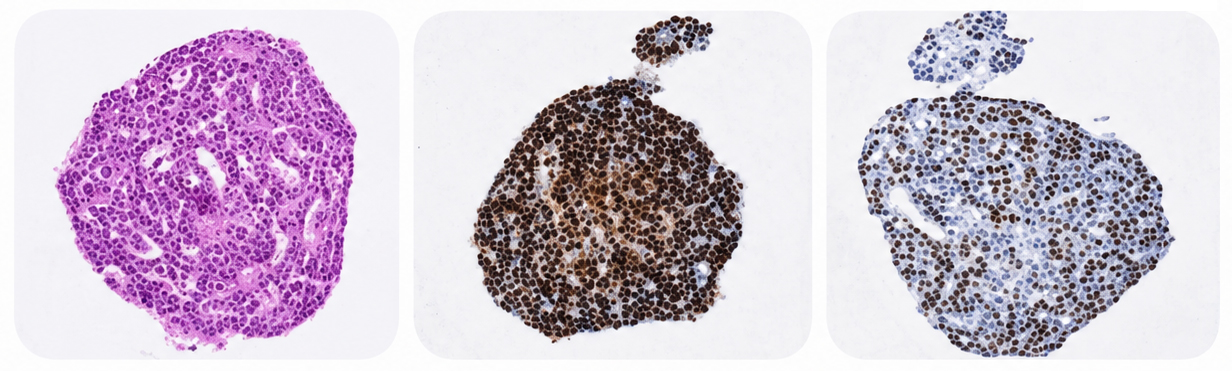
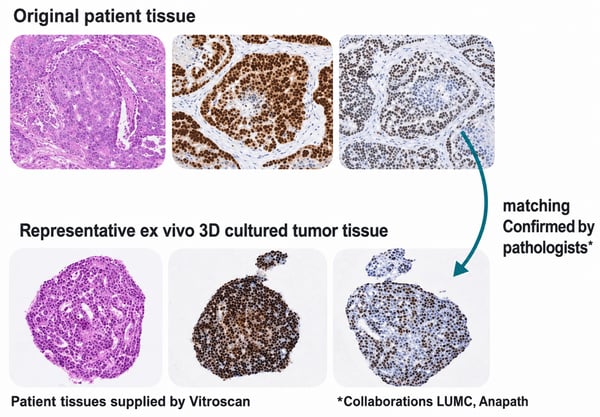
Although EVPT is not designed for high-throughput screening, it excels in detailed validation and patient-specific analysis. Researchers use EVPT to distinguish responders from non-responders, evaluate complex mechanisms such as reversing immune suppression or modifying the tumor stroma, and discover biomarkers linked to treatment outcomes (Figure 1). It also plays an important role in precision medicine by enabling testing of combination therapies in a setting that closely reflects how treatments will behave in individual patients.
Figure 1. The 3D EVPT provides an alternative approach by keeping the complexity of the tumor (3D assay) and including the patient's autologous TME into the assay.
The Future of Smarter Immunotherapy Development
Advanced IO therapies reflect a shift toward more precise and multi-functional approaches to immune system targeting. These capabilities include multi-specific antibodies that must engage multiple receptors at once and rely on complex interactions between immune and tumor cells. Their effectiveness depends on factors such as how close target cells are to each other and how active they are, which are conditions that 2D models cannot replicate.
Therapies targeting the innate immune system (such as those acting on macrophages, dendritic cells, and natural killer [NK] cells) depend on complex communication between different parts of the immune system, making them difficult to study in simplified models. To evaluate cell-based therapies such as CART and CARNK, researchers need models that reflect real tumor environments, where engineered immune cells must move through tissue, overcome barriers, resist suppression, and maintain their ability to kill cancer cells.
More Advanced Therapies Require Better Testing
As treatments become more sophisticated, researchers need equally advanced testing systems. These platforms must capture 3D cell interactions, including how immune cells form connections with tumor cells and how the surrounding tissue affects these interactions. They also need to reflect patient-specific immune conditions, such as immune exhaustion, suppression, or chronic inflammation, which strongly influence how well a therapy works.
In addition, effective models must account for stromal barriers, metabolic differences, and regions within tumors that prevent immune cells or drugs from reaching their targets. They must generate detailed, spatial data so researchers can understand not only whether a therapy works, but how it works within a realistic tumor environment. This need for deeper insight and accuracy is driving a shift toward more integrated, human-relevant testing systems.
A Combined Workflow: Organoids and EVPT
To address these challenges, leading IO programs are adopting a layered testing strategy that combines scalable 3D organoid models with EVPT platforms. Early-stage research typically uses organoid co-cultures, which allow rapid testing of many drug candidates in a controlled and high-throughput setting. These systems make it easier to engineer specific immune conditions and quickly evaluate potential mechanisms.
As research progresses, high-content imaging and controlled co-culture systems are used to study how therapies work in detail, including their effects on immune cell infiltration, tumor killing, signaling, and spatial relationships. Researchers can also identify potential biomarkers by analyzing multiple types of data, such as cytokine patterns, immune cell characteristics, and changes in the tumor environment.
For later-stage validation, EVPT platforms are used because they preserve the full complexity of patient tumors. These systems provide the closest approximation to how therapies will perform in the clinic, enabling researchers to confirm findings in a setting that closely mirrors real patient biology. This combined workflow reduces reliance on animal models, speeds up development, and improves the chances that preclinical results will translate into clinical success.
Toward More Predictive Oncology Pipelines
The future of oncology drug development depends on building more predictive and efficient research pipelines. Advanced platforms that combine 3D models and patient-derived tissues can help bridge the gap between laboratory results and real-world outcomes. By improving clinical predictability, these systems reduce the risk of late-stage failures, which are costly and time-consuming. They also support precision medicine by helping researchers identify which patients are most likely to benefit from specific treatments.
At the same time, these platforms enable more informed, data-driven decisions by integrating biological mechanisms, spatial analysis, and patient-specific responses. By bringing together scalable 3D assays and native patient tissue platforms, researchers can create a more reliable, human-centered approach to IO that better matches the complexity of next-generation therapies and the demands of modern drug development.
A New Era of Predictive Immunotherapy Testing
The data emerging in 2026 make one thing clear: the next generation of immunotherapies needs equally advanced testing systems. Scalable 3D organoid assays and EVPT platforms are becoming core parts of modern IO pipelines, shaping how therapies are designed and validated. Together, these platforms enable rapid, iterative discovery at scale; provide the mechanistic depth needed to understand sophisticated treatment approaches; and deliver the clinical relevance necessary to better predict patient outcomes and reduce late-stage failure.
As immunotherapy moves toward more personalized, multimechanistic strategies that account for the TME, these human-relevant systems are setting a new standard for preclinical development. Programs that adopt them will be better equipped to make informed decisions, advance stronger candidates, and develop treatments that more closely reflect real patient biology. The future of IO innovation depends on platforms that capture the true complexity of cancer, and 3D organoids and EVPT systems are helping lead that shift.
1de Man S, Kaya-Aksoy E, Veenendaal T, Meesters N, Chavez Abiega S, Yan X, Kop M, Gandini L, Flach J, Meng J, Zhang M, Teodosieva V, Hanrath J, Foini C, Stessuk T, Spanjaard E, Shih R, Tu X, Zhou J, Wang P, Beztsinna N, Goverse G, Bourré L, Basten S and Putker M (2026) Translational 3D in vitro models for immunotherapy testing: from reconstituted organoid co-culture assays to autologous ex vivo patient tissues. Front. Immunol. 17:1721016. doi: 10.3389/fimmu.2026.1721016
Cite this Article
Baillargeon, M., (2026) New Data Highlights Scalable 3D Assays and Ex Vivo Tissues for Predictive Immunotherapy Testing in 2026 - Crown Bioscience. https://blog.crownbio.com/new-data-highlights-scalable-3d-assays-and-ex-vivo-tissues-for-predictive-immunotherapy-testing-in-2026
Immunooncology (IO) drug development increasingly depends on understanding human specific immune mechanisms. However, these subtle, highly coordinated…
Following our post covering the Tumor Necrosis Factor Superfamily of Ligands and Receptors, we’re going to take a closer look at specific family membe…