

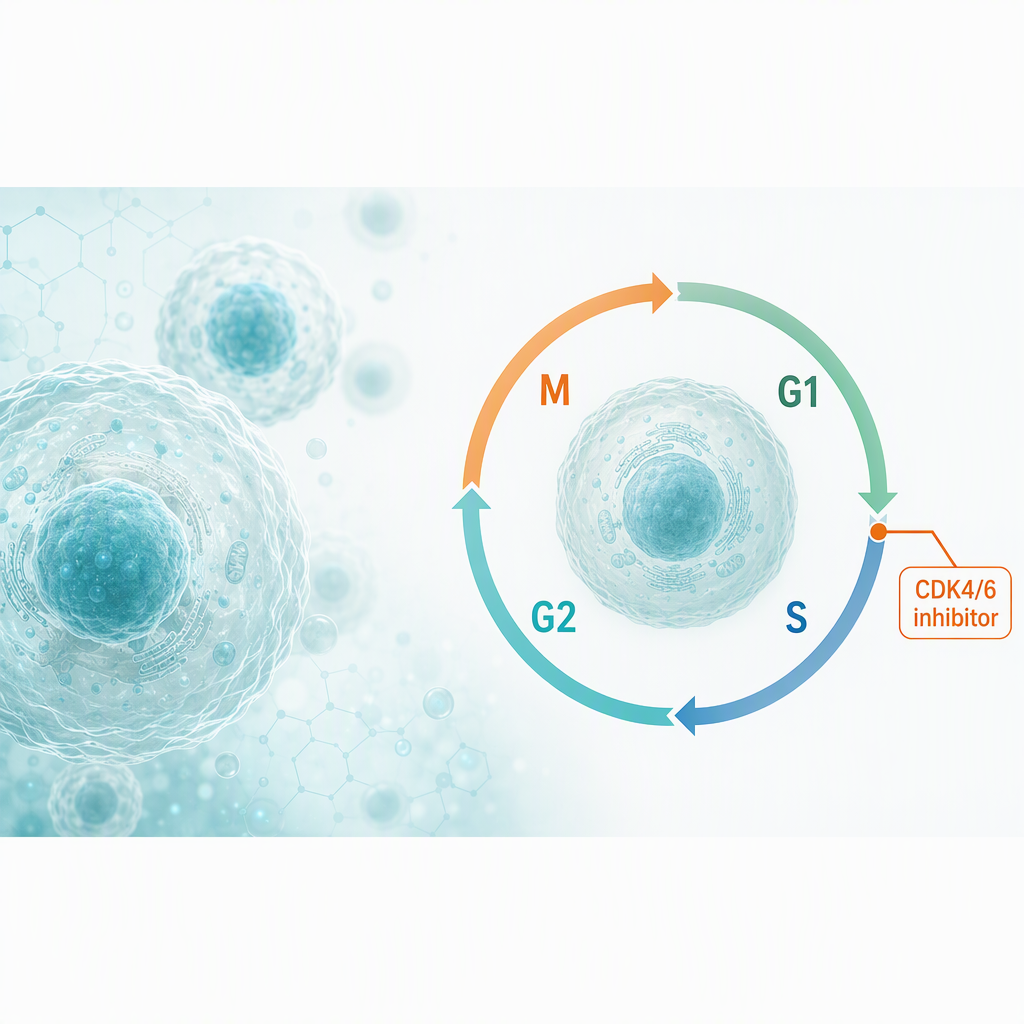
Cyclin-dependent kinases (CDKs) regulate cell-cycle progression and have long been investigated as therapeutic targets in oncology. The clinical success of selective CDK4/6 inhibitors in breast cancer established the therapeutic value of CDK inhibition. However, despite more than a decade of research, resistance, off-target effects, and limited efficacy in other tumor types have restricted their broader use as antitumor therapies.
Recent advances are expanding development opportunities through more selective agents, including CDK2 inhibitors, novel combinations, and approaches that selectively degrade CDK proteins, such as proteolysis-targeting chimeras (PROTACs) and molecular glues.
Advancing these programs requires relevant preclinical models that reflect sensitivity and resistance mechanisms, helping oncology teams connect tumor biology with treatment response and evaluate the rationale for emerging therapies.
How CDK Inhibitors Work
CDKs are a family of serine/threonine kinases activated by binding to cyclin partners. CDK4 and CDK6 help initiate cell-cycle entry and progression through G1. CDK2 supports the G1/S transition, DNA replication, and S-phase progression, while also contributing to DNA repair. CDK1 is essential for mitosis and successful cell division.
Other CDKs also regulate gene expression. CDK7 activates cell-cycle CDKs and contributes to transcription initiation, while CDK9 supports transcription elongation. CDK12 and CDK13 help regulate the expression of genes involved in RNA processing and DNA damage repair. Together, these kinases coordinate processes that support proliferation, differentiation, and tissue-specific functions essential for normal development and physiology.
Early CDK inhibitors, including Flavopiridol and Roscovitine, were developed more than two decades ago as potential cancer therapies. Often described as pan-CDK inhibitors, these compounds target multiple CDKs, but their clinical development highlighted challenges with efficacy, safety, and tolerability. Second-generation agents, including Dinaciclib and Riviciclib, offered greater selectivity but continued to face challenges in balancing antitumor activity with acceptable toxicity (Figure 1).
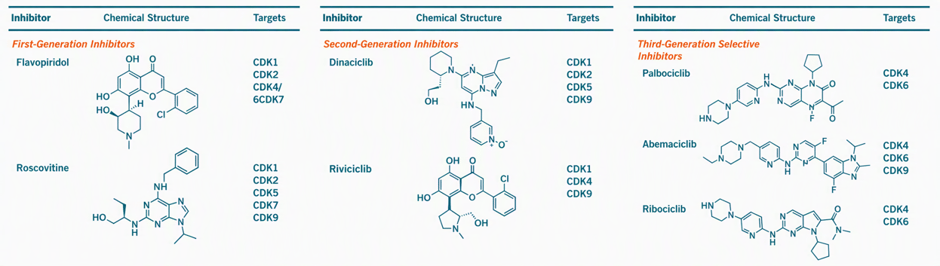
Figure 1. Key features of early-generation CDK inhibitors (adapted from Twinkle I. Patel et al., 2024)
Third-generation selective CDK4/6 inhibitors established the clinical value of targeting cell-cycle regulation in breast cancer. Palbociclib received US Food and Drug Administration (FDA) approval in 2015, followed by Abemaciclib and Ribociclib in 2017, demonstrating efficacy in luminal / estrogen receptor-positive breast cancer. Clinical research subsequently expanded across multiple cancer types, with breast cancer accounting for the largest share of trials in the dataset shown, followed by blood cancers and lung cancer (Figure 2).
Trilaciclib received FDA approval in 2021 for a separate supportive-care use: reducing chemotherapy-induced myelosuppression in adults with extensive-stage small cell lung cancer receiving specified chemotherapy regimens.
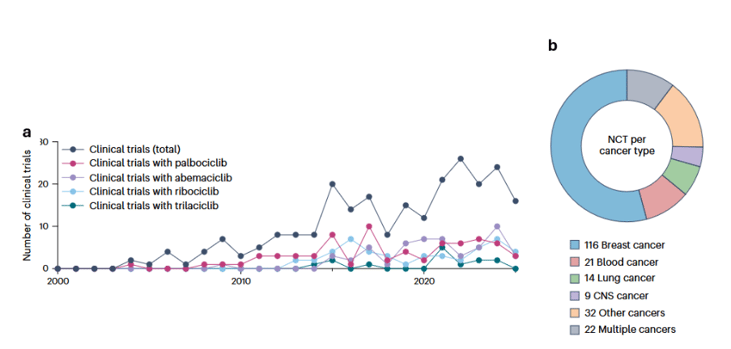 Figure 2. Clinical trials targeting CDK1/2/4/6 (2004–2025) and FDA-approved inhibitors (Changhao He et al., 2026)
The Next Wave of CDK Inhibitors
Despite the clinical benefits of CDK4/6 inhibitors, resistance and treatment-related toxicities continue to drive the development of new CDK-targeted therapies. Current research is focused on improving target selectivity, targeting alternative cell-cycle dependencies, and exploring approaches beyond conventional inhibition (Figure 3).
CDK4-selective inhibitors, including Atirmociclib, aim to maintain antitumor activity while limiting inhibition of CDK6, which has an essential role in blood cell production. This approach could help reduce hematologic toxicities such as neutropenia.
CDK2 is another important target, particularly in cancers that develop resistance to CDK4/6 inhibition. Increased cyclin E andCDK2 activities can allow tumor cells to continue progressing through the cell cycle despite CDK4/6 blockade. Selective CDK2 inhibitors, including Tagtociclib, Cirtociclib, INX-315, and AZD8421, are being investigated to determine whether targeting this pathway can address resistance in selected tumor settings (Figure 3).
CDK2-selective degraders, including NKT3964 and BG-75098, are also being evaluated in clinical trials, extending CDK2-targeted strategies beyond conventional inhibition.
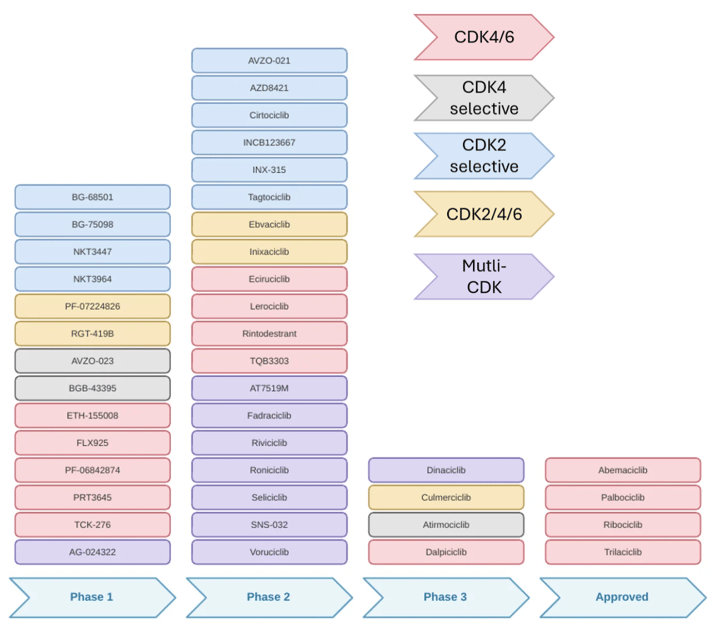
Figure 3. Clinical development landscape of CDK inhibitors in oncology (adapted from He and Shokat, 2026)
Understanding CDK Inhibitor Resistance and Biomarker Strategies
CDK4/6 inhibitors have improved outcomes in breast cancer, but intrinsic and acquired resistance remain important challenges, particularly in advanced disease. Understanding the mechanisms that limit response can help researchers identify candidate biomarkers and develop strategies to address resistance.
Mechanisms of resistance to CDK4/6 inhibition
Loss of RB1, which encodes the retinoblastoma protein, is an established resistance mechanism supported by preclinical and clinical evidence. Without functional RB, tumor cells can become less dependent on CDK4/6 activity to progress through the cell cycle.
Other mechanisms allow tumor cells to maintain RB phosphorylation and E2F activity despite CDK4/6 inhibition. These include changes involving KRAS, PDK1, PTEN, ER, and the Hippo pathway. Although these alterations affect different parts of the signaling network, they can reduce sensitivity to CDK4/6 blockade (Figure 4).
Changes within the cell-cycle machinery can also contribute to resistance. Increased cyclin E expression or CCNE1 amplification can promote CDK2 activity, allowing cells to bypass CDK4/6 inhibition. Some palbociclib-resistant cell lines acquire CDK6 amplification following prolonged treatment, with increased CDK6 expression contributing to reduced sensitivity.
Additional mechanisms include Aurora kinase A activity, which has been implicated in intrinsic and acquired resistance, as well as FGFR1 overexpression, activation of the transcription factor c-MYC, and activating mutations in ERBB2. The contribution of each mechanism depends on tumor biology and treatment context (Figure 4).
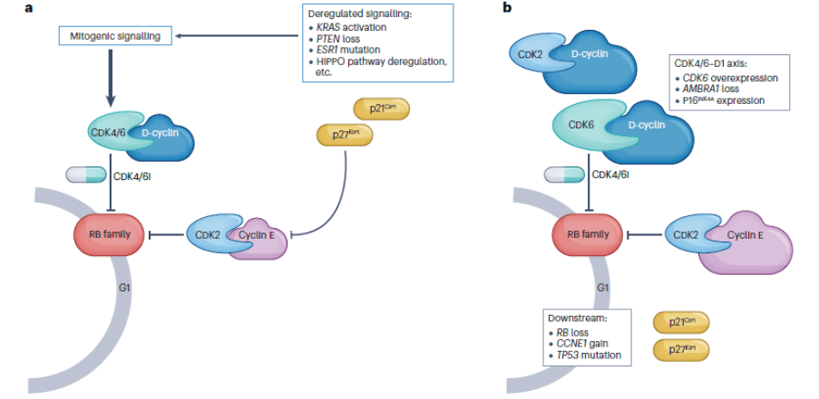
Figure 4. Major pathways of resistance to CDK4/6 inhibitors (adapted from Knudsen et al., 2026) Major pathways associated with resistance to CDK4/6 inhibition. Alterations in mitogenic signaling and cell-cycle regulation can support continued RB phosphorylation, CDK2 activation, and cell-cycle progression despite CDK4/6 blockade.
Implications for biomarker development
The diversity of resistance mechanisms helps explain why validated predictive biomarkers for CDK4/6 inhibitor response remain limited. Early candidates, including CCND1 amplification and CDKN2A loss, have not demonstrated sufficient predictive value to guide routine treatment selection.
Hormone receptor and HER2 status remain central to defining treatment populations. Additional molecular markers may guide the selection of particular combination regimens, but these should be distinguished from biomarkers that predict sensitivity to CDK4/6 inhibition itself.
For drug development teams, resistance-associated alterations provide hypotheses for testing. Combining molecular characterization with functional studies can help determine whether an alteration contributes to resistance, identifies a therapeutic dependency, or is associated with response without directly driving it.
Combination strategies to address resistance
Understanding resistance mechanisms provides a rationale for evaluating CDK4/6 inhibitors with therapies that target complementary pathways. Endocrine therapy is an established partner in breast cancer, while HER2- and PI3K-directed agents have also supported approved combinations in defined treatment settings (Figure 5).
Other approaches under investigation include combinations targeting AKT, mTOR, or components of the RAS signaling pathway, including RAS, BRAF, MEK, and ERK. These strategies aim to interrupt signaling that supports continued proliferation or enables escape from CDK4/6 inhibition. Combinations with chemotherapy and immune checkpoint inhibitors are also being explored, with activity dependent on tumor context and treatment schedule (Figure 5).
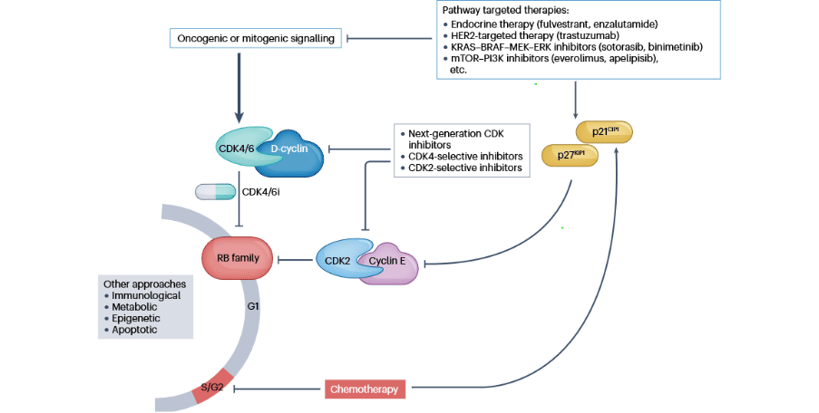
Figure 5. Combination strategies involving CDK4/6 inhibitors (adapted from Knudsen et al., 2026). Approaches include targeting complementary signaling pathways, next-generation CDK inhibitors, endocrine therapy, chemotherapy, and other mechanisms relevant to resistance.
Evaluating these approaches requires preclinical models that reflect relevant sensitivity and resistance mechanisms. Models with defined treatment histories, molecular profiles, and pharmacological responses can help teams test biomarker hypotheses and assess combinations in the settings they are intended to address.
Crown Bioscience Models for CDK Inhibitor Development
Crown Bioscience combines patient-derived models with molecular and pharmacological characterization to support next-generation CDK inhibitor research. Clinically relevant pretreated models, experimentally selected resistance models, and organoids provide complementary systems for investigating response and resistance.
Clinically pretreated breast cancer PDX models
BR9697, BR9698, and BR9819 PDX models were established from patients with metastatic breast cancer who had received endocrine therapy combined with Palbociclib or Ribociclib. Their treatment histories provide clinically relevant context for investigating acquired resistance, alongside molecular characterization and pharmacological testing (Table 1).
| Sample | cancer type | subtype | treatment history |
|---|---|---|---|
| BR9697 | BR-Breast Cancer | Luminal B | 1st, Taxol: 3/2017; Stopped due to progressive neuropathy 2nd, Faslodex + Palbociclib: unk-4/2021; Rising CA 15-3 3rd, SERD: 5/2021-1/2022 4th, Xeloda: 2/2022-unk 5th, KAT6 Inhibitor: 8/2022-9/2022; 2 cycles BR9697 collected at the beginning of cycle 2; Stopped due to tolerability concerns |
| BR9698 | BR-Breast Cancer | Luminal B | 1st, Taxol: 12 weeks; CT showed a marked response 2nd, Ibrance + Fulvestrant: 4/2019-10/2020; Disease progression 3rd, LIV-1 ADC (microtubule inhibitor): 11/2020; 1 cycle; Discontinued due to toxicities 4th, Xeloda: 1/2021 -4/2021; No improvement in disease 5th, Taxol: 5/2021-4/2022; Disease progression BR9698 collected 5/11/2023 |
| BR9819 | BR-Breast Cancer | Luminal B | 1st, Ribociclib + Tamoxifen: 6/2019-7/2020; 25 cycles stable disease; Stopped due to rising tumor markers 2nd, Eribulin: 7/2020-4/2021; 10 cycles; Stopped due to toxicities 3rd, Everolimus + Exemestane 4/2021-6/2021; 2 cycles 4th, Everolimus + Exemestane + Goserelin: 6/2021-9/2021; 4 cycles; Progressed 5th, Capecitabine: 9/2021-2/2022; 8 cycles; Stopped due to rising tumor markers and worsening bone disease BR9819 collected 4/25/2022 |
Table 1. Characteristics of CDK inhibitor-pretreated PDX models
All three patient-derived xenograft (PDX) models have undergone genomic and pharmacological characterization to support translational research and biomarker discovery. Although the patients from whom BR9697 and BR9698 were derived had received Fulvestrant plus Palbociclib, the models show distinct responses to endocrine therapy and CDK4/6 inhibition in preclinical studies (Figure 6).
BR9698 retains marked sensitivity to fulvestrant (200 mg/kg, weekly) combined with palbociclib (100 mg/kg, daily). Palbociclib monotherapy also shows marked activity, while fulvestrant alone provides limited tumor control. BR9697 shows a more limited response to palbociclib, no apparent tumor growth inhibition with fulvestrant alone, and a modest response to the combination.
These differences highlight the importance of evaluating pharmacological response alongside clinical treatment history. Together, these pretreated models support the investigation of acquired resistance mechanisms, biomarker hypotheses, and next-generation CDK-targeted therapies in clinically relevant disease settings.
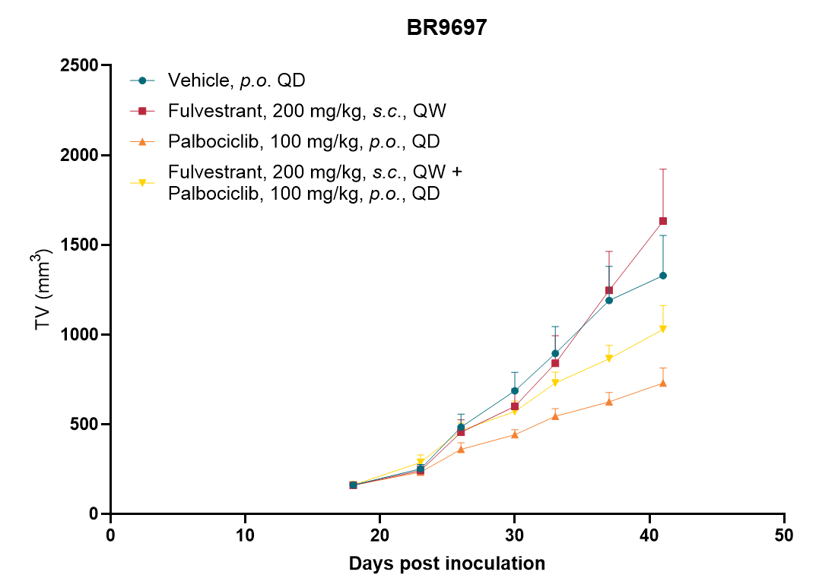
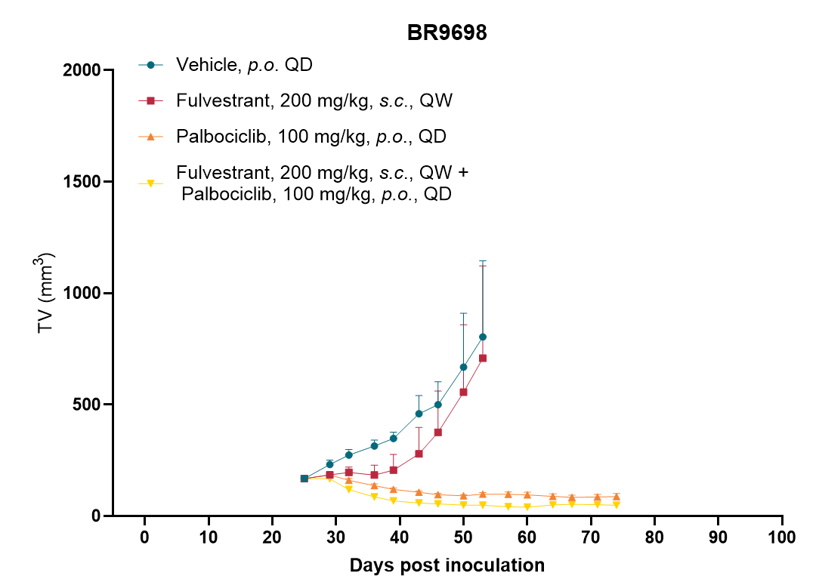
Figure 6. BR9697 and BR9698 tumor growth curves
Drug-induced resistance models
Crown Bioscience offers a broad portfolio of PDX models tested with clinically relevant CDK inhibitors across solid tumors and hematologic malignancies. These models show varying levels of sensitivity to CDK inhibition, supporting research into treatment response and resistance (Figure 7).
The portfolio provides translational tools for developing more selective CDK inhibitors and evaluating novel combinations designed to overcome CDK4/6 inhibitor resistance and improve patient outcomes.
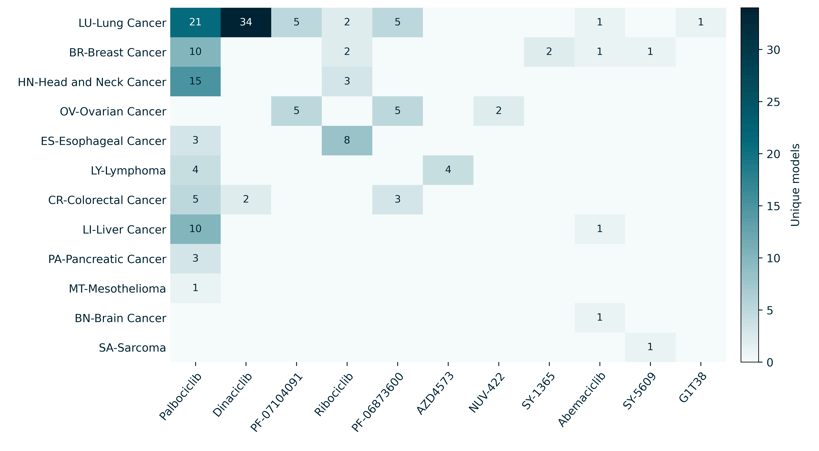
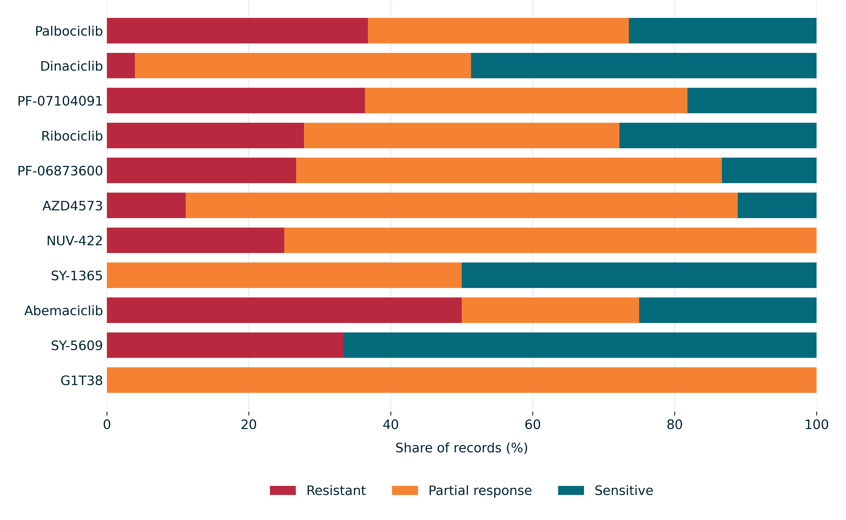
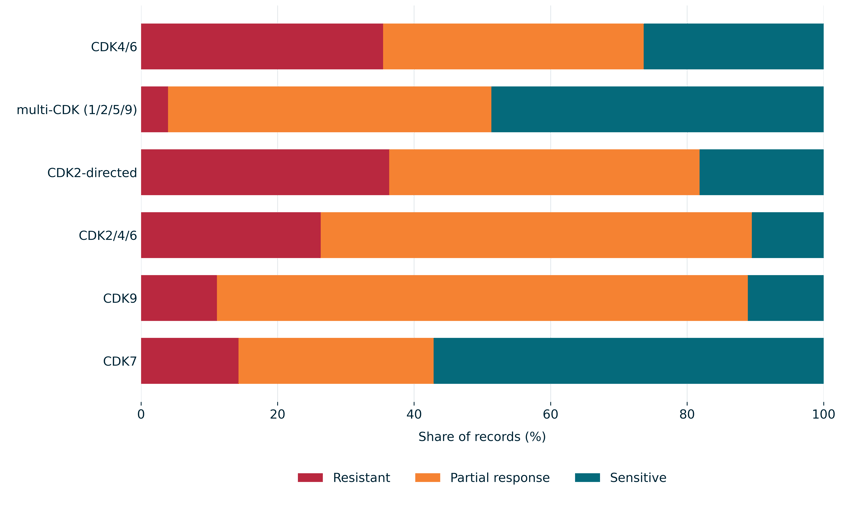
Figure 7. PDX model sensitivity to CDK inhibitors
Crown Bioscience also offers resistance models generated through prolonged exposure to CDK inhibitors. These include BR9697, a luminal B breast cancer PDX model treated with palbociclib in vivo over 6 rounds of treatment (Figure 8).
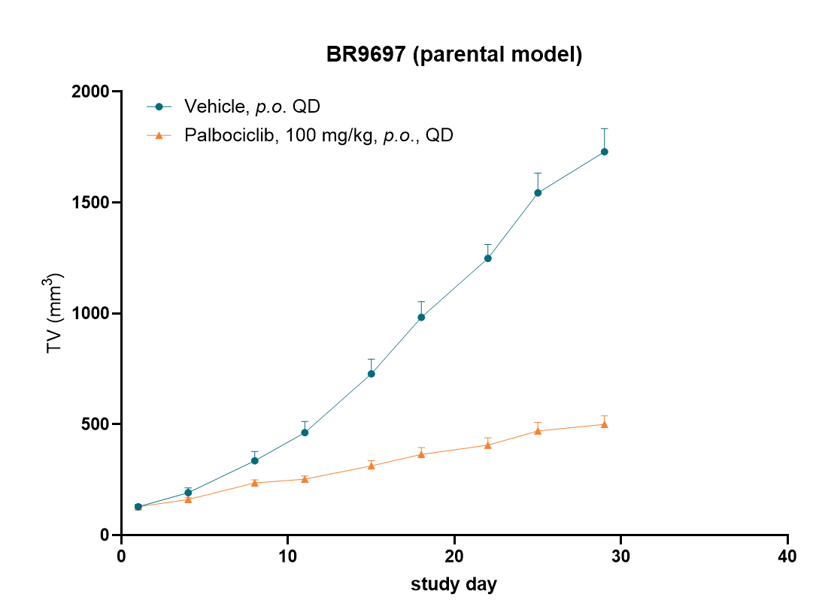
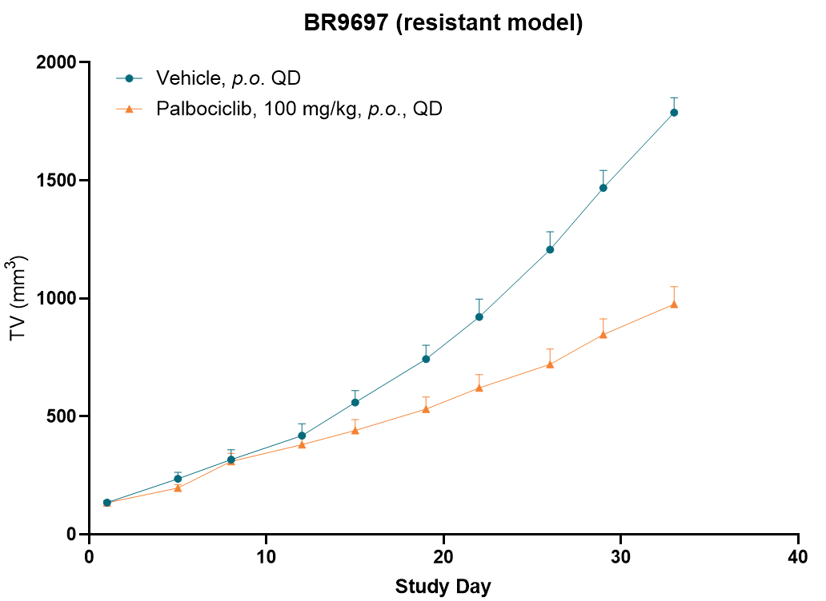
Figure 8. Generation of a resistant PDX model following prolonged exposure to palbociclib during 6 rounds of treatment
The parental BR9697 model showed sensitivity to palbociclib, with tumor growth inhibition (TGI) of 75%. Following six consecutive treatment cycles, TGI decreased to approximately 50%, consistent with reduced sensitivity and the emergence of acquired resistance.
Sustained treatment exposure reflects the selective pressure experienced by tumors during long-term CDK4/6 inhibition. The resulting BR9697 model provides a clinically relevant platform for investigating resistance mechanisms. Combined with genomic and pharmacological characterization, it supports the evaluation of novel CDK2 inhibitors, CDK4-selective inhibitors, targeted degraders, and rational combinations designed to restore sensitivity and improve outcomes in hormone receptor-positive breast cancer. Comprehensive genomic characterization of this model is ongoing.
Immunocompetent models with acquired resistance to KRAS inhibitors also provide opportunities for CDK inhibitor development. Resistant derivatives of the mPA6115-luc pancreatic cancer model were generated through prolonged treatment with either Zoldonrasib or Daraxonrasib. These models show multiple escape mechanisms, including CDK6/CDK14 amplification and CDK4 overexpression, suggesting a shift toward greater dependence on cell-cycle signaling (Figure 9).
Combination studies demonstrated activity with CDK and KRAS inhibition in these models, supporting further investigation of this strategy to address resistance.
| Resistance-Related Pathways | mPA6115-luc (RMC-9805 resistant) | mPA6115-luc (RMC-6236 resistant) |
|---|---|---|
| Drug efflux | Abcb1a/1b amplification (CN 14.62); Abcb4 amplification (CN 14.62) | Abcb1a/1b amplification (CN 26.63); Abcb4 amplification (CN 17.83) |
| Drug metabolism | Recurrent Ugt1a mutations; Ugt2 amplification (CN ~5.8) | Recurrent Ugt1a mutations; Ugt2 amplification (CN ~5.8) |
| MAPK pathway reactivation | Map2k2 (MEK) R185Q mutation (VAF 30-33%) | Map2k2 (MEK) R185Q mutation (VAF 30-33%) |
| Cell-cycle bypass | Cdk6/Cdk14/Dbf4 amplification (CN range 10-17) & over-expression | Cdk6/Cdk14/Dbf4 amplification (CN range 10-17) & over-expression |
| Non-canonical signaling | Fzd1, Grm3, Sema3d, Sri/Adam22 amplification | Fzd1, Grm3, Sema3d, Sri/Adam22 amplification |
| Genomic instability | Hjurp recurrent variants; Rpa1 in-frame deletion; Rad51d p.V212A (VAF > 90%); Ndk2 E311RfsTer44 frameshift (VAF 100%) | Hjurp recurrent variants; Rpa1 in-frame deletion; Rad51d p.V212A (VAF > 90%); Ndk2 E311RfsTer44 frameshift (VAF 100%) |
| mTOR/S6K activation | Rps6kb1 splice acceptor variant (21.9%) | |
| Cell-state adaptation | Mutations in Msi2, Mei1, Hnf4g, Cdk9 | |
| Surface remodeling | Muc4 & Col11a1 alterations |
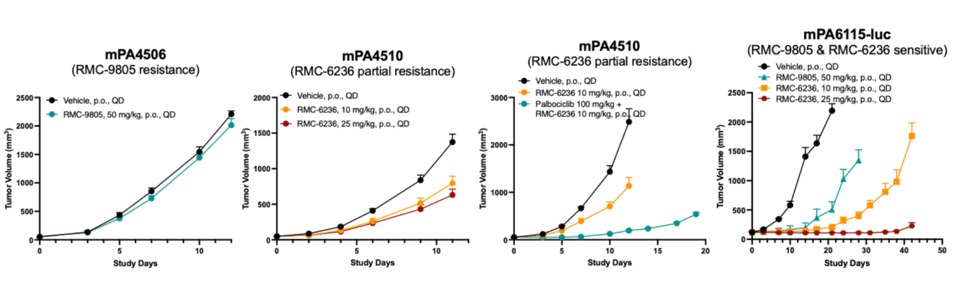
Figure 9. Zoldonrasib and Daraxonrasib resistant KPC models showing multiple resistance-associated alterations and responses to CDK and KRAS inhibition
Organoid models for CDK inhibitor studies
Patient-derived organoids (PDOs) and PDX-derived organoids (PDXOs) provide a complementary platform for advancing CDK inhibitor development. The screened panel shown in Figure 10 includes breast and lung cancer organoid models with varying responses to clinically approved CDK4/6 inhibitors, ranging from resistant to partial response under the study’s assay definitions. Crown Bioscience’s broader organoid portfolio includes more than 1,000 tumor organoid models across 35 cancer indications available for evaluation in vitro.
These models support rapid screening of large numbers of novel CDK inhibitors in a cost-effective, clinically relevant format. Their molecular characterization also supports biomarker exploration and enrichment strategies, allowing researchers to investigate genomic or transcriptomic features associated with sensitivity or resistance to CDK-targeted therapies. Organoid platforms can also support combination studies to evaluate treatment interactions and inform subsequent testing.
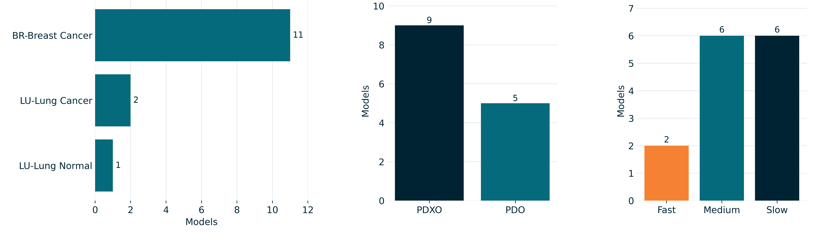
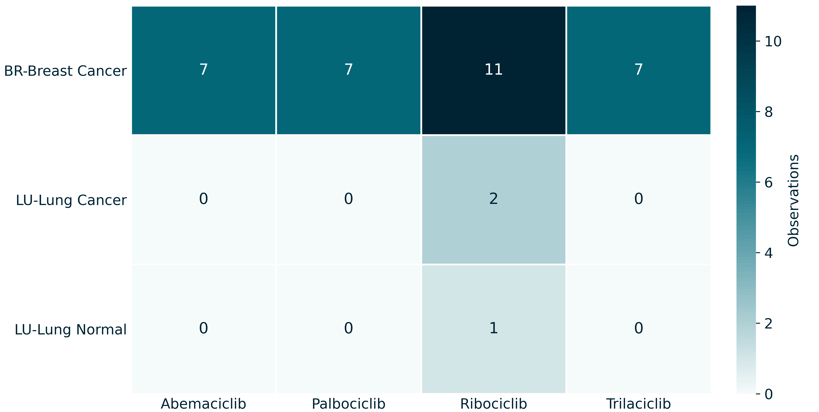
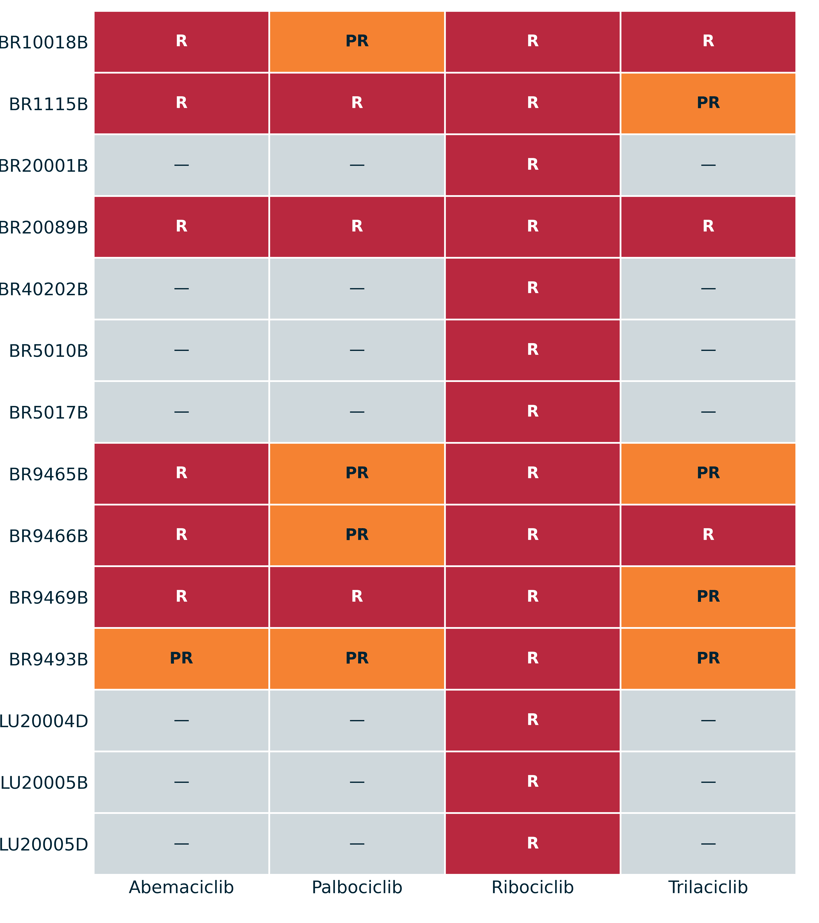
Figure 10. Organoid model sensitivity to CDK inhibitors
Organoid models enable screening across multiple compounds and treatment combinations to help prioritize candidates for further evaluation. Their molecular characterization also supports biomarker exploration, allowing researchers to investigate genomic or transcriptomic features associated with sensitivity and resistance.
Together, organoid screening and PDX studies provide complementary evidence for CDK inhibitor development, connecting molecular hypotheses with functional response across experimental systems.
Bibliography
1. Knudsen ES, Witkiewicz AK, Kabraji S. The evolving landscape of CDK inhibitor use in breast cancer therapy and beyond. Nature Reviews Drug Discovery. 2026;25:516–533. https://doi.org/10.1038/s41573-026-01431-5
2. Morrison L, Loibl S, Turner NC. The CDK4/6 inhibitor revolution — a game-changing era for breast cancer treatment. Nature Reviews Clinical Oncology. 2024;21:89–105. https://doi.org/10.1038/s41571-023-00840-4
3. Shanabag A, Armand J, Son E, Yang HW. Targeting CDK4/6 in breast cancer. Experimental & Molecular Medicine. 2025;57:312–322. https://doi.org/10.1038/s12276-025-01395-3
4. Pellarin I, Dall’Acqua A, Favero A, Segatto I, Rossi V, Crestan N, Karimbayli J, Belletti B, Baldassarre G. Cyclin-dependent protein kinases and cell cycle regulation in biology and disease. Signal Transduction and Targeted Therapy. 2025;10:11. https://doi.org/10.1038/s41392-024-02080-z
5. Asciolla JJ, Wu X, Adamopoulos C, Gavathiotis E, Poulikakos PI. Resistance mechanisms and therapeutic strategies of CDK4 & CDK6 kinase targeting in cancer. Nature Cancer. 2025;6(1):24–40. https://doi.org/10.1038/s43018-024-00893-z
6. Marei HE, Bedair K, Hasan A, Al-Mansoori L, Gaiba A, Morrione A, Cenciarelli C, Giordano A. Targeting CDKs in cancer therapy: advances in PROTACs and molecular glues. npj Precision Oncology. 2025;9:204. https://doi.org/10.1038/s41698-025-00931-8
7. He C, Shokat KM. Adaptive mechanisms and emerging cancer therapeutics for CDK2 inhibitors. Nature Chemical Biology. 2026. Published online August 31, 2026. https://doi.org/10.1038/s41589-026-02307-w
8. Knudsen ES, Witkiewicz AK, Sanidas I, Rubin SM. Targeting CDK2 for cancer therapy. Cell Reports. 2025;44(8):116140. https://doi.org/10.1016/j.celrep.2025.116140
9. Song X, Fang C, Dai Y, Sun Y, Qiu C, Lin X, Xu R. Cyclin-dependent kinase 7 (CDK7) inhibitors as a novel therapeutic strategy for different molecular types of breast cancer. British Journal of Cancer. 2024;130:1239–1248. https://doi.org/10.1038/s41416-024-02589-8
10. Patel TI, Joshi JN, Valvezan AJ, Moschitto MJ. A review of trilaciclib, a first-in-class cyclin-dependent kinase 4/6 inhibitor, for the management of metastatic small-cell lung cancer. Medicinal Chemistry Research. 2024;33:1757–1768. https://doi.org/10.1007/s00044-024-03288-y
11. Mo C, Wei N, Li T, Bhat MA, Mohammadi M, Kuang C. CDK9 inhibitors for the treatment of solid tumors. Biochemical Pharmacology. 2024;229:116470. https://doi.org/10.1016/j.bcp.2024.116470
Cite this Article
Vallerand, D., (2026) - Crown Bioscience. https://blog.crownbio.com/cdk-inhibitors-in-oncology-emerging-opportunities-and-translational-models-for-drug-development
