Genetic and Biomarker Profiles in Prostate Cancer: Implications for Precision Medicine
13:30
SHARE
As precision oncology continues to reshape cancer research, understanding the molecular drivers of prostate cancer has become essential for translational studies and therapeutic development. Advances in genomic, transcriptomic, proteomic, and spatial profiling have revealed a diverse landscape of prostate cancer mutations and molecular alterations that influence tumor behavior, therapeutic response, and disease outcomes.
For researchers and drug developers, understanding these alterations is no longer simply an academic exercise. Genetic changes can act as biological drivers of tumor progression, biomarkers for patient stratification, and potential targets for novel therapeutics.
In this blog, we explore the major prostate cancer genetic alterations, their role as biomarkers, and their relevance for drug discovery and translational research.
The Mutational Landscape of Prostate Cancer
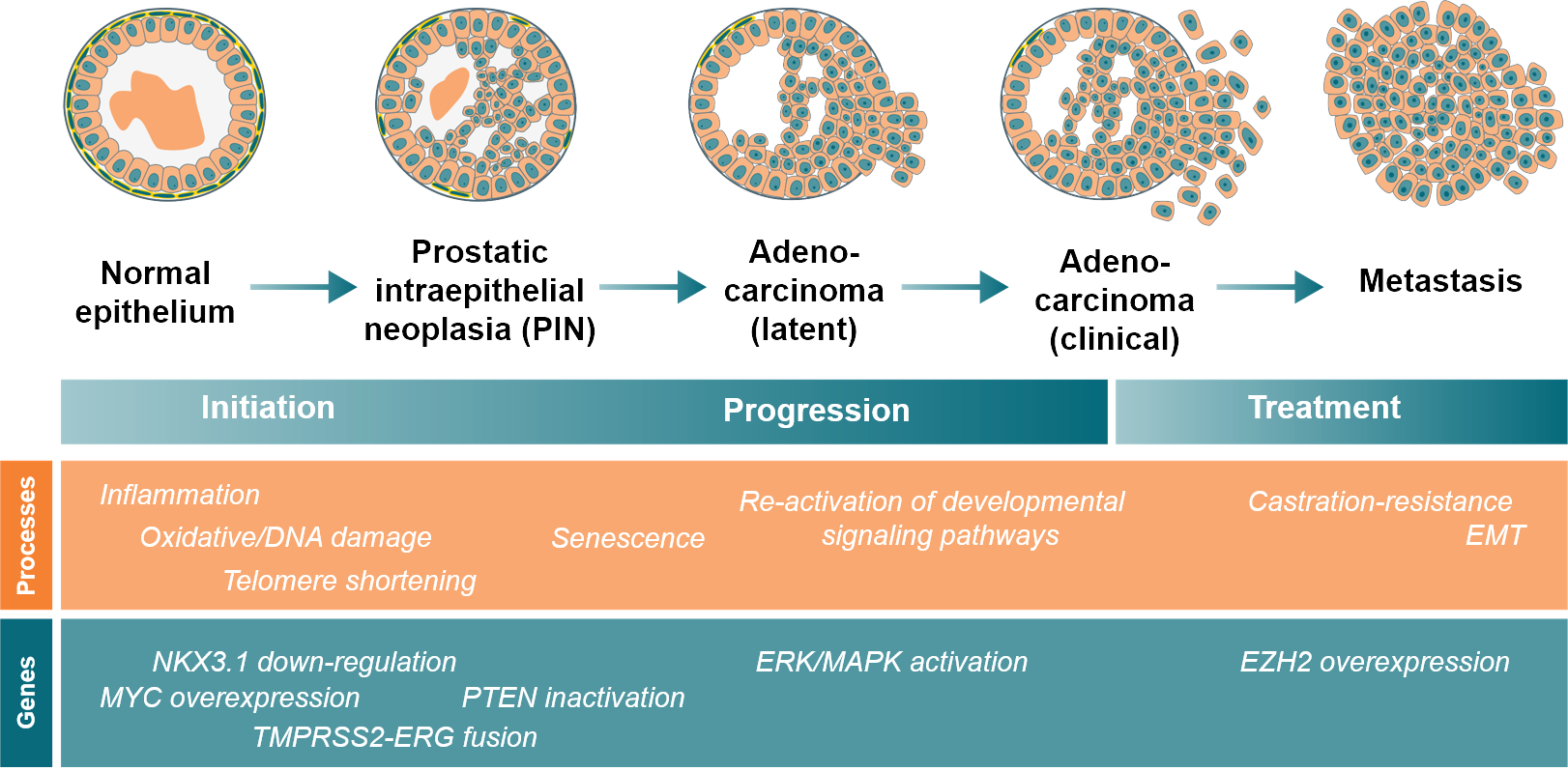
The genomic architecture of prostate cancer evolves throughout disease progression. While localized tumors often exhibit relatively limited molecular complexity, advanced metastatic disease frequently accumulates additional alterations that drive aggressive behavior and therapeutic resistance.
Common categories of prostate cancer mutations include:
Androgen receptor (AR) pathway alterations
Tumor suppressor gene loss
DNA damage repair (DDR) deficiencies
Chromosomal rearrangements and gene fusions
Cell cycle regulatory defects
Targetable protein biomarkers and surface antigensEpigenetic and lineage-plasticity biomarkers
In localized disease, genomic changes such as TMPRSS2-ERG fusions or PTEN loss may be present early. In contrast, metastatic castration-resistant prostate cancer (mCRPC) often demonstrates substantially more genomic alterations, including AR amplification, TP53 mutations, RB1 loss, and defects in homologous recombination repair pathways.
This increasing molecular complexity reflects ongoing tumor evolution and adaptation under therapeutic pressure, making genomic characterization increasingly important throughout disease progression.
Key Genetic Alterations in Prostate Cancer
AR Amplification and Mutation
The androgen receptor remains the dominant driver of prostate cancer growth. Even after androgen deprivation therapy (ADT), many tumors maintain dependence on AR signaling through adaptive mechanisms. Common AR pathway alterations include:
AR amplification
AR point mutations
AR splice variants
Increased AR expression
These changes can enhance receptor activity despite low androgen levels, contributing to resistance to endocrine therapies. Because AR signaling remains central across multiple disease stages, understanding AR mutation prostate cancer biology is critical for developing next-generation hormonal therapies and resistance-focused treatment strategies.
PTEN Loss
PTEN loss is among the most common tumor suppressor alterations observed in prostate cancer. Under normal conditions, PTEN regulates the PI3K/AKT signaling pathway, helping to control cell growth, proliferation, and survival. Loss of PTEN activity results in:
Increased cellular proliferation
Enhanced survival signaling
Greater metastatic potential
Reduced sensitivity to certain therapies
PTEN-deficient tumors often exhibit more aggressive clinical behavior and have become a major focus for targeted therapy development involving PI3K/AKT pathway inhibition.
TP53 Alterations
Mutations or deletions in TP53 are common in prostate cancer and are strongly associated with advanced disease, aggressive tumor biology, and unfavorable clinical outcomes. TP53 encodes the tumor suppressor protein p53, which plays a central role in several key cellular processes, including:
DNA damage response
Cell cycle regulation
Apoptosis induction
Loss of TP53 function promotes genomic instability, allowing the accumulation of additional genetic alterations that facilitate tumor progression and therapeutic resistance. TP53 alterations are particularly prevalent in metastatic and castration-resistant prostate cancer and frequently co-occur with other high-risk genomic events, such as PTEN loss.
RB1 Loss
RB1 is a key tumor suppressor gene that regulates cell cycle progression, cellular differentiation, and maintenance of normal cell identity. Under normal conditions, this regulatory function prevents uncontrolled cellular proliferation and helps preserve tissue homeostasis. Loss or inactivation of RB1 disrupts these critical regulatory mechanisms and can:
Accelerate tumor growth
Promote lineage plasticity
Contribute to neuroendocrine differentiation
Increase treatment resistance
In prostate cancer, RB1 alterations are frequently enriched in metastatic and castration-resistant tumors. Importantly, patients whose tumors harbor concurrent TP53 and RB1 alterations often experience more rapid disease progression, increased metastatic potential, and poorer clinical outcomes compared with tumors lacking these alterations.
DNA Damage Repair Gene Alterations
Defects in DDR prostate cancer pathways have gained attention due to their therapeutic significance. Collectively, these genes participate in homologous recombination repair (HRR), a critical mechanism for maintaining genomic integrity. Important genes include:
BRCA1
BRCA2
ATM
CHEK2
PALB2
BRCA prostate cancer cases often exhibit increased genomic instability and may be more sensitive to therapies targeting DNA repair vulnerabilities. Alterations in BRCA1, BRCA2, and ATM have become some of the most clinically actionable biomarkers in prostate cancer research.
ETS Fusions and TMPRSS2-ERG
One of the earliest molecular discoveries in prostate cancer was the identification of ETS-family gene fusions. The most common example is TMPRSS2-ERG, which results from fusion of the androgen-responsive TMPRSS2 promoter with the ERG transcription factor. This alteration:
Occurs in a substantial proportion of prostate cancers
Influences transcriptional programs
May cooperate with additional genomic alterations such as PTEN loss
Although its direct therapeutic utility remains limited, TMPRSS2-ERG continues to serve as an important molecular feature in prostate cancer biology research.
Relevant Biomarkers for Therapeutic Types
Beyond genomic alterations, protein biomarkers such as PSMA, STEAP1, B7-H3, DLL3, and TROP2 are increasingly relevant for emerging therapeutic modalities including radioligands, ADCs, T-cell engagers, and CAR-T approaches. Epigenetic biomarkers such as EZH2, p300/CBP, and BET proteins, together with lineage-plasticity markers including DLL3, Synaptophysin, Chromogranin A, and MYCN, can also help identify aggressive or treatment-emergent disease states.
Predictive Versus Prognostic Biomarkers
The growing use of prostate cancer biomarkers has transformed how researchers evaluate patient populations and design translational studies. Biomarkers generally fall into two categories:
Predictive biomarkers identify patients likely to respond to a specific therapy.
Prognostic biomarkers provide information about disease outcome independent of treatment selection.
Understanding the distinction is crucial when evaluating genomic alterations for therapeutic development.
Therapy
Biomarker
AR degraders
AR amplification, AR-V7
PARP inhibitors
BRCA1/2, ATM, PALB2
AKT inhibitors
PTEN loss
Radioligands
PSMA expression
STEAP1 TCE
STEAP1 expression
ADC/ CAR-T / targeted biologics
Target density such as PSMA, B7-H3, TROP2, STEAP1
EZH2 inhibitors
TP53/RB1, EZH2
DLL3 therapy
DLL3 expression
Biomarker-Informed Patient Stratification
Molecular characterization allows researchers to divide patients into biologically meaningful subgroups. Such stratification improves the precision of clinical and preclinical studies by reducing biological heterogeneity. Examples include:
AR-driven tumors
PTEN-deficient cancers
DDR-deficient populations
TP53/RB1 altered aggressive variants
Relevance to Preclinical Model Selection
Selection of appropriate experimental models is a critical component of translational success. Using molecularly characterized systems improves confidence that findings will translate into patient populations most likely to benefit. Researchers increasingly prioritize models with known:
Genomic backgrounds
Biomarker status and target-expression status
Resistance mechanisms and lineage state
Clinical relevance.Mutations and Therapeutic Resistance
AR Pathway Alterations and Resistance
Resistance to androgen deprivation therapy and next-generation hormonal agents frequently emerges through AR pathway adaptation. These adaptations allow tumor cells to maintain androgen signaling despite therapy. Common resistance mechanisms include:
AR amplification
Activating AR mutations
AR splice variants
Alternative signaling pathway activation
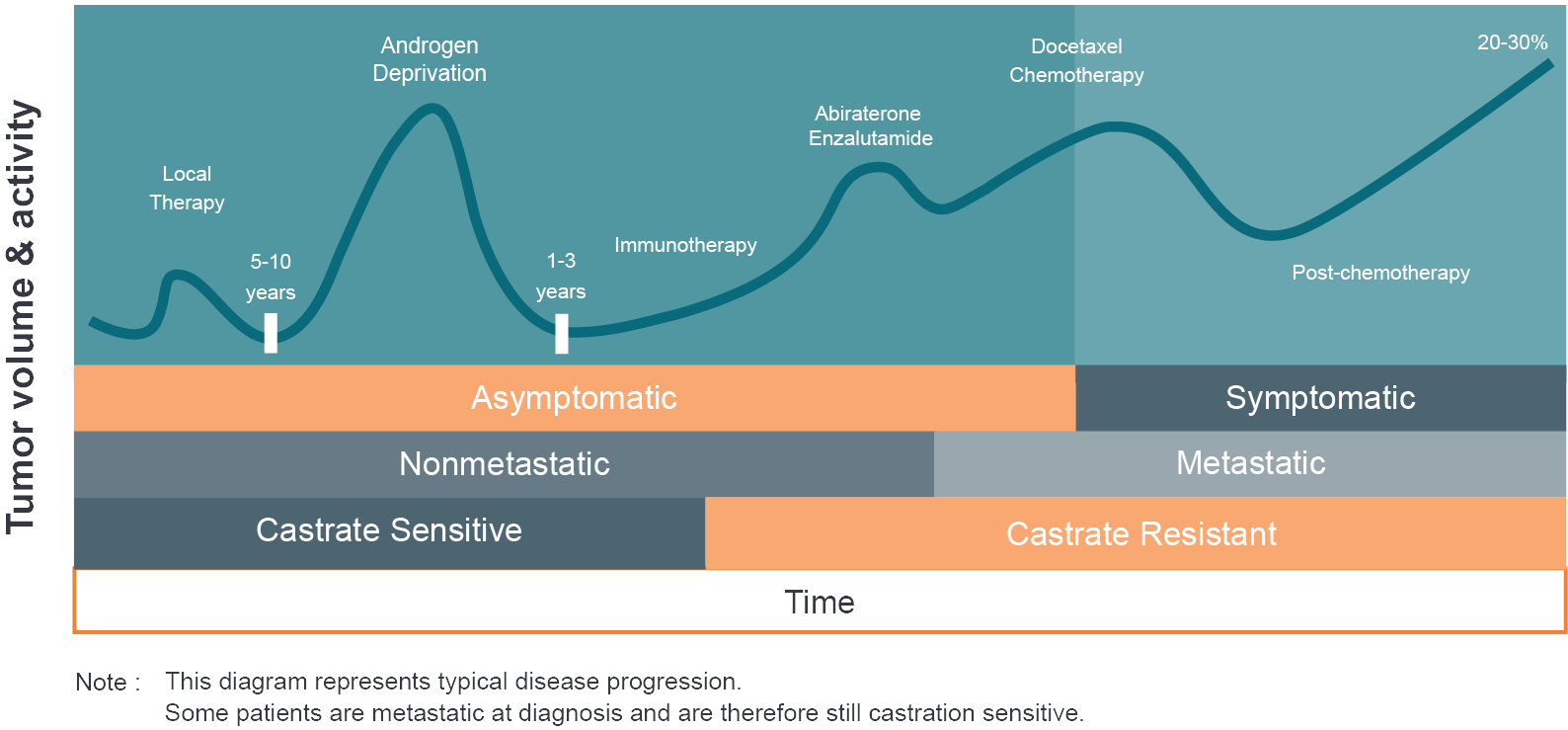
Genomic Evolution in Advanced Disease
Cancer genomes are dynamic rather than static. As tumors experience treatment pressure, new clones emerge that possess survival advantages. This process of clonal selection contributes to the accumulation of multiple resistance-associated alterations over time. Serial genomic profiling increasingly reveals substantial differences between treatment-naive and heavily pretreated tumors.
Molecular Alterations and Treatment Failure
Treatment failure often reflects complex interactions among multiple pathways. Understanding these resistance mechanisms is essential for designing combination therapies and next-generation treatment approaches. Examples include:
PTEN loss promoting bypass signaling
TP53 mutations increasing genomic instability
RB1 loss facilitating lineage plasticity
DDR alterations driving evolutionary adaptation
Translational Implications for Drug Discovery
Translational Implications for Drug Discovery
Modern oncology increasingly focuses on matching therapies to molecularly defined patient populations. This approach improves both drug development efficiency and clinical trial success. Rather than treating prostate cancer as a single disease, researchers can identify subsets characterized by:
Specific driver alterations
Distinct biological dependencies
Unique therapeutic vulnerabilities
Supporting Precision Oncology Strategies
Precision oncology in prostate cancer depends on integrating multiomic information into decision-making including genomics transcriptomics, proteomics, phosphoproteomics, spatial biology, and digital pathology. Key goals include:
Identification of actionable targets
Selection of biomarker-positive populations
Improved therapeutic response prediction
Rational combination therapy development
Designing Biomarker-Enriched Studies
Genomic biomarkers are increasingly incorporated into both early-stage and late-stage research programs. Biomarker-enriched clinical and translational studies can:
Increase response rates
Improve statistical power
Reduce patient heterogeneity
Accelerate development timelines
Integrating Genomic Profiling into Preclinical Development
Genomic profiling in prostate cancer should be incorporated throughout the research pipeline. By aligning experimental systems with clinically relevant molecular subtypes, researchers can generate more translatable findings. Important applications include:
Cell line selection
Patient-derived xenograft characterization
Organoid development
Mechanism-of-action studies
Resistance modeling
Dynamic Changes Under Treatment Pressure
Prostate cancer genomes are not static. Therapeutic interventions include ADT, AR signaling inhibitors, chemotherapy, PARP inhibitors, and radioligand therapies. These treatments can exert selective pressure that drives the emergence of treatment-resistant clones.
Consequently, the molecular profile identified at diagnosis may differ substantially from that observed during advanced or metastatic stages of disease. Acquired alterations in genes associated with androgen receptor signaling, DDR pathways, lineage plasticity, or neuroendocrine differentiation can arise during treatment and influence subsequent therapeutic responses.
These dynamic genomic changes highlight the need for longitudinal molecular monitoring. Emerging approaches such as circulating tumor DNA (ctDNA) analysis and serial tumor profiling offer the potential to track disease evolution in real time, detect resistance mechanisms earlier, and support adaptive treatment strategies tailored to a patient's changing disease biology.
Conclusion
The future of precision oncology will depend on moving beyond single-gene biomarkers toward integrated molecular profiling that combines genomics, transcriptomics, proteomics, spatial biology and clinically relevant patient-derived models. By understanding how tumors evolve under therapeutic pressure and selecting preclinical models that faithfully capture this complexity, researchers can identify more effective therapeutic strategies, discover robust predictive biomarkers and improve the translation of promising therapies into clinical benefit.
In our next blog, we'll explore the emerging therapeutic landscape in prostate cancer, including targeted therapies, next-generation AR inhibitors, DNA repair-directed approaches, and novel immunotherapy strategies.
Frequently Asked Questions
Which target antigens are important in prostate cancer drug development?
Important target antigens in prostate cancer drug development include PSMA, STEAP1, B7-H3, CD46, TROP2, PSCA, and PAP, with DLL3 also gaining attention in neuroendocrine or lineage-plastic disease. These antigens are attractive because cell-surface targets are more accessible and actionable than many intracellular markers, supporting selective development of radioligands, ADCs, bispecifics, T-cell engagers, vaccines, and CAR-T therapies.
What mutations are most common in prostate cancer?
Common prostate cancer genetic alterations include AR amplification, PTEN loss, TP53 mutations, RB1 loss, DDR defects involving BRCA1, BRCA2, and ATM, as well as ETS-family fusions such as TMPRSS2-ERG.
Why are AR alterations important in prostate cancer?
The androgen receptor is the primary signaling driver in most prostate cancers. AR amplification and mutation allow tumors to maintain growth despite androgen deprivation therapy, making these alterations major contributors to treatment resistance.
How does PTEN loss affect prostate cancer biology?
PTEN loss activates the PI3K/AKT pathway, promoting tumor cell proliferation, survival, and progression. PTEN-deficient tumors are often associated with more aggressive disease and poorer outcomes.
What is the significance of BRCA and ATM alterations in prostate cancer?
BRCA1, BRCA2, and ATM are involved in DNA repair pathways. Alterations in these genes can lead to genomic instability and may identify tumors with vulnerabilities that can be exploited through targeted therapeutic strategies.
How are biomarkers used in prostate cancer drug development?
Prostate cancer biomarkers help identify patient subgroups, guide preclinical model selection, support clinical trial design, and improve the likelihood of successful therapeutic development.
How do genetic alterations contribute to treatment resistance in prostate cancer?
Genetic alterations can activate alternative signaling pathways, enhance androgen receptor activity, increase genomic instability, and promote tumor evolution, all of which contribute to resistance against standard therapies.
Cite this Article
Kumari, R., (2026) Genetic and Biomarker Profiles in Prostate Cancer: Implications for Precision Medicine - Crown Bioscience. https://blog.crownbio.com/genetic-and-biomarker-profiles-in-prostate-cancer-implications-for-precision-medicine
Bringing more human-relevant methods into oncology drug development requires more than selecting a new platform: researchers need to establish where i…
Choosing the right preclinical immuno-oncology model makes or breaks your development decisions, but navigating the options is rarely simple. In this …
Immuno-oncology (IO) combination strategies depend on more than promising target biology. Translating a hypothesis about synergistic immune activation…